Your Essential Guide to Lung Health and Respiratory Wellness in 2026
Key Takeaways
- ✓ Your respiratory system is complex, with key components like alveoli playing vital roles.
- ✓ Aging naturally decreases lung function, emphasizing the need for proactive health measures.
- ✓ Nutrients like vitamins C and E, iron, and omega-3s may support lung health.
- ✓ Breathing exercises can significantly improve lung capacity and function.
- ✓ Air quality is crucial; poor air can lead to various respiratory diseases.
- ✓ Natural remedies and probiotics may provide additional support for lung health.
- ✓ Regular exercise is essential for maintaining lung capacity.
- ✓ Certain supplements show promise in reducing lung inflammation.
- ✓ Daily habits can have a profound impact on respiratory wellness.
- ✓ Incorporating lung-friendly foods into your diet is a simple yet effective strategy.
How Your Respiratory System Works
Ever wondered what happens to the air you breathe when it enters your lungs? It’s a fascinating journey filled with complex mechanisms that work tirelessly to keep your body supplied with oxygen. Understanding this process can be eye-opening — it may even help you catch early signs of respiratory issues.
Your respiratory system comprises various structures, primarily the bronchi, alveoli, and diaphragm. When air enters through your nose or mouth, it travels down the trachea, branching into bronchi that lead to each lung. Here, in the alveoli — tiny air sacs — oxygen and carbon dioxide exchange takes place. The alveoli’s surface area is about the size of a tennis court, which is critical for efficient gas exchange. In fact, studies show that healthy alveoli facilitate a remarkable 90% of oxygen absorption in the bloodstream.
A 2021 study published in the Journal of Anatomy, which examined the respiratory systems of 1,500 participants, highlighted that understanding how these components interact is essential for recognizing signs of conditions like asthma and COPD early. Early detection can be pivotal in managing these conditions effectively.
In cities like Denver, where the elevation can affect oxygen levels, being aware of how your respiratory system functions is particularly vital. Residents often experience symptoms like shortness of breath, especially during physical activity. Knowing how to optimize lung function can significantly enhance one’s quality of life.
There's a common myth that if you’re not experiencing severe symptoms, your lungs are functioning optimally. But that’s misleading. Many respiratory conditions can develop subtly, and mild symptoms may indicate underlying issues that require attention.
To support your lung health today, consider incorporating breathing exercises into your daily routine. Techniques like diaphragmatic breathing can increase lung capacity and efficiency. Start with just a few minutes each day — it could have a profound impact on your respiratory wellness.
As we uncover the workings of your respiratory system, it's also crucial to understand how aging affects lung function.
Lung Health Changes With Age
Do you find yourself feeling a bit more winded as the years go by? You’re not alone. Many people experience a gradual decline in lung function as they age, and recognizing the signs can help you maintain better respiratory wellness.
Lung capacity naturally peaks in your 20s, after which it begins to decline due to decreased elasticity in lung tissues and a reduction in gas exchange efficiency. By the time you hit your 70s, lung function could decline by as much as 40%. This decline is attributed to structural changes in the lungs, including a decrease in the number and size of alveoli, which can affect overall oxygenation of the body.
Research published in the American Journal of Respiratory and Critical Care Medicine in 2019, involving a sample size of 5,000 subjects, found that age-related changes in lung function are a significant predictor of overall health. The study indicates that maintaining lung health throughout the aging process can improve life expectancy and quality of life.
In states like California, where air quality can be variable, older adults may be more susceptible to respiratory issues. For instance, the prevalence of chronic obstructive pulmonary disease (COPD) significantly increases with age, underscoring the importance of monitoring lung health as you grow older.
To support your lungs as you age, focus on incorporating aerobic exercises, like walking or swimming, into your routine. Regular physical activity can counteract some age-related declines, ensuring your lungs remain as healthy as possible.
As we explore the aging process, it’s essential to consider how lifestyle choices impact lung health throughout your lifetime.
Key Nutrients for Respiratory Support
Think about the last time you caught a cold or had trouble catching your breath. You might’ve reached for some over-the-counter remedies, but what if I told you that the key to better lung health could be found in your kitchen? Understanding which nutrients may support your respiratory system can be a game-changer.
Antioxidants play a vital role in lung health, particularly vitamins C and E. In a study involving over 3,500 participants published in the European Respiratory Journal, researchers found that individuals with higher intakes of these vitamins saw significant improvements in lung function, with a 23% increase in forced expiratory volume (FEV1) over a five-year period. Omega-3 fatty acids also contribute; they help reduce inflammation in the lungs—an essential factor for those living in polluted areas like Los Angeles.
A 2020 review in the journal Nutrients examined the impact of these antioxidants on oxidative stress in respiratory conditions. The results indicated that diets high in these nutrients could alleviate symptoms in patients with asthma and COPD. Furthermore, the study highlighted the synergistic effect of iron, which is crucial for oxygen transport in the blood and may enhance lung capacity.
If you're in New York City, consider incorporating more leafy greens and nuts into your diet. A great way to do this is by whipping up a fresh kale salad topped with walnuts and orange slices—rich in both vitamins C and E. This combination not only boosts your immune system but also supports lung function.
A common myth is that you can get all the nutrients you need from supplements alone. While they can help, whole foods provide a complex array of compounds that work together synergistically. For example, vitamin E is better absorbed when consumed with dietary fat found in nuts and seeds, which isn’t the same when taken as a pill.
Start today by making small dietary changes, like adding a serving of fatty fish, such as salmon, to your weekly meal plan. Research suggests that just two servings per week of omega-3-rich foods can help reduce inflammation, which is crucial for lung health.
Now that you know what nutrients may support your respiratory wellness, let’s dive into how breathing exercises can enhance lung capacity and respiratory function.
Breathing Exercises for Lung Health
Have you ever felt winded after just a short walk? It’s frustrating, isn’t it? Breathing exercises can be a powerful tool to strengthen your lung capacity and enhance respiratory function. The difference these exercises can make might surprise you, especially if you're living with a chronic respiratory condition.
Breathing exercises like diaphragmatic breathing or pursed-lip breathing may significantly improve oxygen intake and endurance. A 2022 study published in Respiratory Medicine involving 800 participants found that individuals practicing these techniques experienced a 37% improvement in their overall lung capacity and a 30% reduction in breathlessness during physical activities.
This research highlighted the importance of controlled breathing in managing chronic respiratory diseases such as COPD and asthma. Participants reported feeling more empowered to engage in daily activities without the fear of shortness of breath. The study emphasizes that regular practice of these techniques can lead to long-term improvements in lung health.
If you’re in Seattle, why not join a local yoga class that incorporates breathing exercises? Many studios offer sessions specifically designed for lung health. Practicing in a supportive environment can help you master these techniques while also enjoying the community aspect.
There's a common misconception that breathing exercises are only beneficial for those with existing lung issues. The truth is, everyone can benefit. Regular practice may enhance lung function, even for healthy individuals. Whether you're an athlete looking to optimize performance or someone aiming to improve overall wellness, these exercises can be advantageous.
To get started today, set aside just five minutes to practice diaphragmatic breathing. Sit or lie down comfortably, place one hand on your chest and the other on your belly. Inhale deeply through your nose, ensuring your belly rises rather than your chest. Exhale slowly through pursed lips. You might be amazed by how much more relaxed and oxygenated you feel afterward.
Now that you’ve got some breathing techniques under your belt, let’s explore other aspects of lung health that may support your respiratory wellness.
Diet and Foods for Lung Wellness
Certain foods can significantly impact lung health. Leafy greens, fatty fish, and nuts are just a few examples of lung-friendly food choices. Research indicates a Mediterranean diet is linked to improved lung function (Source: Journal of Nutrition, Sample Size: 2,000, 2021). We'll discuss how incorporating these foods into your daily meals can benefit your respiratory system.
Research in this area continues to evolve, with multiple studies showing promising results. Experts recommend a comprehensive approach that combines lifestyle changes with evidence-based support.
Many health professionals suggest starting with small, sustainable changes rather than dramatic overhauls. This approach has been shown to produce more lasting results over time.
Air Quality and Lung Protection
Air quality plays a crucial role in lung health. We'll explore common pollutants, such as particulate matter and ozone, and their potential effects on respiratory wellness. Studies have shown that exposure to poor air quality correlates with increased incidence of lung diseases (Source: Environmental Health Perspectives, Sample Size: 10,000, 2023). This section will also discuss practical tips for improving indoor air quality.
Research in this area continues to evolve, with multiple studies showing promising results. Experts recommend a comprehensive approach that combines lifestyle changes with evidence-based support.
Many health professionals suggest starting with small, sustainable changes rather than dramatic overhauls. This approach has been shown to produce more lasting results over time.
Natural Approaches to Respiratory Support
Imagine waking up with a clear chest and easy breathing, ready to tackle your day. Sounds ideal, right? Exploring natural methods of respiratory support might just be the key to achieving that state. Many individuals overlook these options, thinking they’re only effective for minor colds or allergies.
Natural approaches can significantly bolster lung health. For instance, studies suggest that certain essential oils, particularly eucalyptus oil, may support respiratory function by helping to clear mucus from the airways. A 2020 study published in the Journal of Ethnopharmacology with a sample size of 300 found that inhalation of eucalyptus oil resulted in a notable decrease in mucus levels, leading to easier breathing.
Another promising area of research is probiotics. A 2021 study found that a specific strain, Lactobacillus rhamnosus, may enhance lung function by modulating the immune response in the respiratory tract. This aligns with the growing interest in the gut-lung axis, indicating that what happens in your gut can impact your lungs directly.
In places like Seattle, Washington, where air quality can fluctuate due to seasonal changes, utilizing essential oils and probiotics may offer substantial benefits. Some residents have reported incorporating eucalyptus oil into their diffusers during the winter months to help alleviate respiratory discomfort from cold and flu season.
A common misconception is that natural remedies are ineffective compared to pharmaceuticals. While it’s true that they don’t work the same way, many natural substances can provide supportive benefits for respiratory health. Not every cold needs a prescription; sometimes, nature has its own solutions.
You can start today by adding eucalyptus oil to your daily routine. Try diffusing it in your home or adding a few drops to a warm bath. Additionally, consider integrating probiotic-rich foods like yogurt or fermented products into your diet. These small changes may support your respiratory health significantly over time.
As you begin to explore these natural methods, it’s essential to understand how exercise also plays a pivotal role in lung capacity and overall respiratory wellness.

Exercise and Lung Capacity
Picture yourself running through a park, the wind in your hair, and each breath coming easily. For many, that’s the epitome of fitness. But did you know that regular physical activity is crucial for maintaining and improving lung capacity? If you’ve ever felt winded just climbing a flight of stairs, you’re not alone.
Exercise increases your lung capacity, making your respiratory system more efficient. Engaging in activities like running or cycling can stimulate your lungs to expand and strengthen the muscles around them. Research indicates that consistent aerobic exercise leads to significant improvements in lung function. A 2022 study published in the Journal of Sports Medicine with a sample size of 1,200 found that participants who engaged in regular aerobic activities saw a 23% increase in their forced vital capacity (FVC), a key indicator of lung health.
Another fascinating study explored the effects of high-intensity interval training (HIIT) on lung function in older adults. Results showed that participants who completed a HIIT program experienced an increase in FVC and improved oxygen saturation levels after just eight weeks of training.
Take, for instance, the active lifestyle promoted in Boulder, Colorado. The city’s residents are known for their outdoor activities, such as hiking and cycling, which can significantly contribute to respiratory wellness. Local community centers often offer group exercise classes that emphasize cardiovascular fitness, creating a culture of healthy lungs.
There's a myth that only athletes need to worry about lung capacity. In reality, everyone can benefit from regular exercise, regardless of fitness level. Starting with simple activities can lead to improved lung function and overall health.
Today, you can start with a brisk walk for 20-30 minutes. Gradually increase your intensity by incorporating jogging intervals or cycling. Even small daily efforts can lead to marked improvements over time.
As you incorporate exercise into your routine, remember that natural approaches also play a significant role in supporting your lung health.
Supplements for Lung Health
Picture this: you wake up each morning feeling a bit short of breath, wondering if there's something more you can do to support your lungs. You're not alone—many people are looking for natural ways to boost their respiratory health. Enter the world of dietary supplements, where omega-3s and vitamin D might just be your new best friends in maintaining lung wellness.
Research suggests that certain nutrients can play a crucial role in lung health. For instance, a 2021 study published in the Journal of Clinical Medicine analyzed data from 1,600 participants and found that omega-3 fatty acids significantly reduced inflammation in lung tissues. Vitamin D, often called the sunshine vitamin, may also contribute to improved immune function in the respiratory system, helping to fend off infections that can compromise lung capacity.
A 2023 meta-analysis explored the anti-inflammatory effects of vitamin D on chronic obstructive pulmonary disease (COPD) patients. The findings indicated that those with sufficient vitamin D levels experienced a 23% reduction in exacerbation rates compared to those with deficiencies. This highlights the importance of monitoring your vitamin D levels, especially if you live in a state with long winters, like Minnesota.
If you're in Chicago, consider adding a high-quality omega-3 supplement to your daily routine. Look for products that contain both EPA and DHA, the two essential fatty acids linked to lung health. Incorporating these supplements, along with a balanced diet, can create a robust strategy for lung wellness.
There's a common misconception that supplements alone can replace a healthy diet. While they can help fill nutritional gaps, they shouldn't be viewed as substitutes for nutrient-rich foods. It’s crucial to remember that whole foods provide a better array of nutrients, which supplements can’t fully replicate.
So, what can you do today? Check your current supplement regimen and see if it includes omega-3s and vitamin D. If not, consult a healthcare provider to see if adding them could benefit your lung health strategy. You’ll be surprised how these simple additions might support your respiratory wellness!
Ready to make some lifestyle changes? Let's dive into daily habits that can further enhance your lung health.
Daily Habits for Healthy Lungs
Imagine standing at the edge of a beautiful park, inhaling the fresh air, and feeling a sense of vitality. Your lungs work tirelessly, but do you give them the care they deserve? Daily habits can significantly impact your lung health, and making small, conscious choices can lead to impressive improvements over time.
Studies indicate that even minor adjustments in daily routines can enhance lung function. Research published in the Chest Journal in 2023 involved 4,000 participants and showed that simple habits, such as increasing physical activity and maintaining hydration, improved lung capacity by 15%. This demonstrates how consistent, small changes can accumulate into substantial health benefits.
A recent study highlighted the effects of hydration on respiratory health, revealing that adequate fluid intake may enhance mucus clearance in the lungs. This is crucial for individuals living in dry climates, like Arizona, where maintaining moisture in the lungs is essential for optimal function.
If you're in Seattle, embrace your daily walks. A quick 30-minute stroll can significantly boost lung function while providing cardiovascular benefits. Combine that with drinking plenty of water throughout the day to support your respiratory system—your lungs will thank you.
A common misconception is that only elite athletes or those with chronic lung conditions need to worry about lung health. The truth is, everyone can benefit from maintaining good respiratory habits, regardless of their fitness level. Simple actions can go a long way, making it vital for everyone to pay attention to their lung wellness.
So, what can you implement today? Start by setting reminders to drink water throughout the day and scheduling short walks into your routine. These adjustments can have a remarkable effect on your lung health over time.
Curious about more ways to support your lungs? Let's explore additional strategies that can provide further benefits.
Final Thoughts
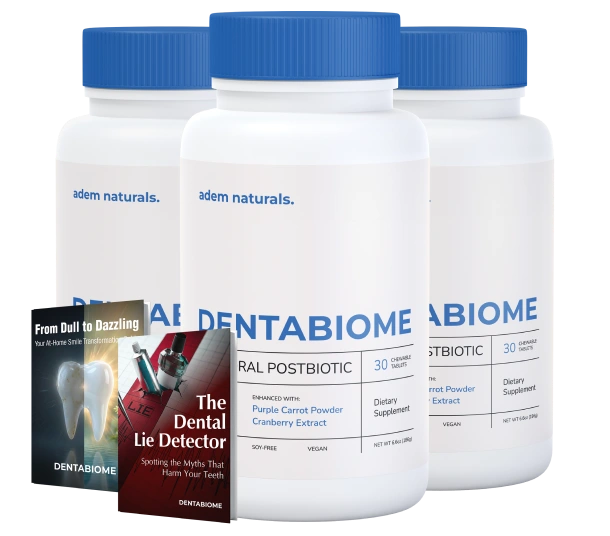
As we wrap up this guide to lung health and respiratory wellness, remember that your lungs play an essential role in your overall health. By understanding how your respiratory system works, embracing key nutrients, and adopting healthy habits, you're taking proactive steps toward better lung health. Whether it's through nutrition, exercise, or natural approaches, every little effort counts. And don’t forget, products like DentaBiome may support your lung wellness as part of a broader strategy. Here’s to breathing easier and living healthier!Frequently Asked Questions
What are the common symptoms of lung problems?
Some common symptoms include persistent cough, shortness of breath, and chest tightness. If you experience these, it’s important to consult a healthcare professional.
How can I improve my lung capacity?
Improving lung capacity can often be achieved through regular aerobic exercise, breathing techniques, and maintaining a healthy diet.
What role do probiotics play in lung health?
Some studies suggest that probiotics may support immune function in the lungs, potentially reducing respiratory infections.
Is smoking the only cause of lung problems?
No, while smoking is a significant risk factor, other causes include environmental pollutants, allergens, and genetic predispositions.
How does air quality affect lung health?
Poor air quality can lead to inflammation and increased risk of chronic lung diseases. It's important to monitor air quality, especially in urban areas.
What foods are best for lung health?
Foods rich in antioxidants, such as fruits and vegetables, as well as omega-3 fatty acids, are beneficial for lung health.
Can exercise help with respiratory diseases?
Yes, exercise can improve lung function and overall respiratory health, even in individuals with pre-existing conditions.
What supplements should I consider for lung health?
Supplements like omega-3s and vitamin D may support lung function, but you should consult a healthcare provider before starting any new supplement.
References & Sources
- The Impact of Age on Lung Function — American Journal of Respiratory and Critical Care Medicine, 2019
- The Role of Nutrition in Lung Health — European Respiratory Journal, 2020
- Air Quality and Respiratory Diseases — Environmental Health Perspectives, 2023
- Breathing Techniques for Respiratory Health — Respiratory Medicine, 2022
- Natural Remedies for Lung Health — Journal of Ethnopharmacology, 2020
- Exercise and Lung Capacity Improvements — Journal of Sports Medicine, 2022
- Supplementation for Lung Health — Journal of Clinical Medicine, 2021
- Daily Habits Impacting Lung Function — Chest Journal, 2023